Table of Contents
- Understanding Lactose Intolerance
- The Genetic Component
- Types of Lactose Intolerance
- What causes lactose intolerance?
- Comprehensive Symptom Guide
- Diagnostic Testing – Know Your Status
- Regional Variations in India
- Food Sources and Hidden Lactose
- Management Strategies
- Nutritional Considerations
- Treatment and Emerging Therapies
- Dairy Alternatives in India
- Living with Lactose Intolerance – Practical Tips
- When to Consult Healthcare Professionals
- Conclusion
- Frequenlty Asked Questions
What is lactose intolerance? You might have heard about it and know that it is something related to milk. But, what it is exactly requires deep understanding.
You can hardly escape milk when growing up in India. It is available everywhere. In fact, you do not even know some of the things that you consume daily have milk. Tea is never complete without milk in the morning. Lunch often includes curd. Paneer or creamy gravy are usually a part of your dinners. Festivals tend to be based on milk-based sweets. Milk is the norm, it is warm and quite frankly, it is a family food memory to most individuals.
There is however an interesting occurrence that takes place in many individuals as they age. They start to feel that milk does not feel so comfortable in the stomach as it previously was. They might get post tea bloating or feel heaviness in the stomach after eating sweets. Mild cases of discomfort sometimes disappear after a few hours. Hence, it is ignored and does not become something that people question.
Curiosity eventually comes in. You might begin searching on the internet, asking yourself what is lactose intolerance. When you eventually learn what it is, what causes lactose intolerance and dairy allergy vs lactose intolerance, you might feel that you have had it all these years without even being aware of it.
Understanding Lactose Intolerance
Doctors and researchers have highlighted that lactose intolerance in Indians is no longer uncommon. Indeed it is becoming common especially among adults. A large number of individuals who enjoyed taking milk when they were young begin to experience digestive issues in adulthood. It is at this point when they start to research about lactose intolerance treatment. Understanding lactose intolerance causes help people to realise this condition is often just how the body naturally changes with age.
What is Lactose Intolerance?
The easiest way of explaining what is lactose intolerance is as follows: the body has problems digesting lactose which is the sugar that is naturally found in milk. We have a small intestine which produces an enzyme known as lactase. This enzyme assists in the digestion of lactose into smaller sugars to enable the body to easily absorb them.
A decrease in lactase synthesis results in the undigested lactose. It goes to the large intestine where it interacts with gut bacteria. This results in bloating, gas, stomach cramps, and occasionally loose motions. When all of these symptoms frequently occur after consuming milk or after eating food rich in dairy, many individuals begin to wonder how it is possible to tell whether you have lactose intolerance or not. A food habit observation is likely to give a clearer picture on whether you have lactose intolerance or not compared to the medical tests alone.
The Genetic Component
The word lactose intolerance is one of the most confusing aspects, and what is even more confusing is that it comes out in later years of life. Individuals who consume milk as they grow up experience a feeling of discomfort once they grow up. The sudden change leaves you with a simple question- What causes lactose intolerance?
The answer to this is very easy. Most Asian communities, such as Indians, have the natural production of lactase in the body which decreases with age. This is why the cases of lactose intolerance in Indians are increasing. Genetics also plays a role. If close family members are sensitive to dairy, there are more chances. Knowing why does lactose intolerance happen is a way of making people understand that it is not a condition but just a body pattern.
Types of Lactose Intolerance
Lactose intolerance does not affect all people in the same manner. It is categorised into different types. Knowledge of the different types can assist you to seek the appropriate lactose intolerance treatment.
Primary Lactose Intolerance
One of the most common types is primary lactose intolerance. It grows gradually as humans get older and the levels of lactase diminish naturally. Although many adults tolerated dairy in childhood, they find it uncomfortable in adulthood. To a significant extent, this progressive change causes lactose intolerance among Indians today.
Secondary Lactose Intolerance
There are occasions when lactose intolerance occurs following stomach infection or digestive disease. The intestine can be temporarily damaged by conditions such as food poisoning or intestinal inflammation. When the intestine heals, symptoms sometimes improve. In such cases, lactose intolerance treatment focuses on healing the gut first.
Congenital & Developmental Types
This type is rare. Congenital lactose intolerance appears from birth. Premature babies can be affected by developmental lactose intolerance as their digestive system is still immature. These are cases which need close medical attention.
What causes lactose intolerance?
When you notice the recurrence of the symptoms, you might get curious to know the cause of lactose intolerance. So, what causes lactose intolerance? Below are some of the most common lactose intolerance causes.
- The most prevalent cause is the decline in the production of lactase enzymes as a result of aging or genetics.
- The other causes of lactose intolerance include intestinal infections, inflammation diseases of the gut, and temporary damage to the gut.
- Age is still one of the leading causes of lactose intolerance in the whole world.
Knowing the causes of lactose intolerance makes people modify their diets. A lactose intolerance diet helps control the symptoms without completely avoiding dairy.
Comprehensive Symptom Guide
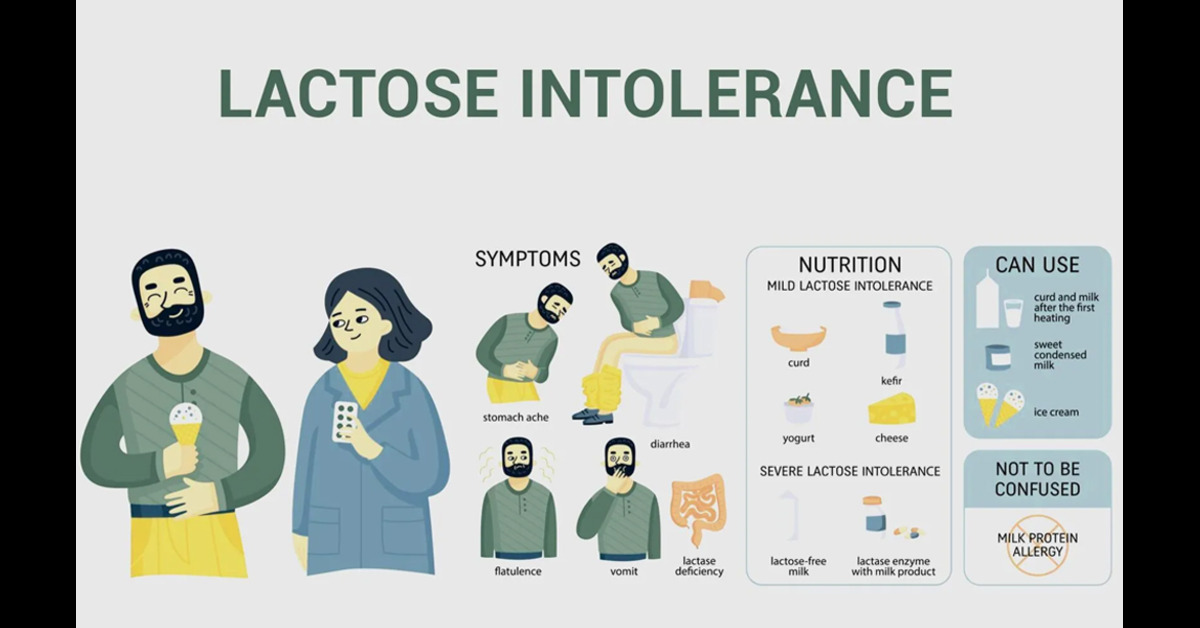
Recognising symptoms is often the first step in understanding lactose intolerance. Many people experience digestive discomfort but fail to connect it with dairy consumption. Symptoms can vary from mild bloating to noticeable stomach pain, depending on individual tolerance levels. Since reactions are not always immediate or severe, they are frequently overlooked. Paying attention to how the body responds after consuming milk or dairy products can help individuals identify patterns. Early awareness allows people to adjust their diet gradually and avoid repeated digestive discomfort while maintaining balanced nutrition.
Primary Symptoms
These symptoms tend to come out after a few hours of consuming dairy. They are bloating, gas, stomach cramps, diarrhoea, nausea. Mild symptoms are disregarded by many as they may seem controllable or fluctuate.
If you are confused about how to know if you have lactose intolerance, tracking food habits can help. Once the repeated discomfort arises after consuming dairy, the trend is evident.
Symptom Variations in the Indian Population
Indians tend to have mild but common symptoms of lactose intolerance. Since dairy is taken on a daily basis in tea, sweets, and gravies, feelings of discomfort become normalised. Most people feel heavy or bloated often without being aware about the reasons behind them.
Raised awareness is empowering more Indians to diagnose lactose intolerance at an earlier stage.
Diagnostic Testing – Know Your Status
Doctors may recommend breath tests or blood glucose tests to confirm lactose intolerance. Sometimes elimination diets are used to observe symptom changes. Testing helps individuals explore lactose intolerance treatment confidently and understand how to treat lactose intolerance correctly.
Regional Variations in India
Lactose intolerance does not affect all Indian populations in the same way. Differences in dietary habits, cultural food traditions, and genetic history influence how individuals tolerate dairy. India’s diverse food culture provides interesting insights into how different regions adapt to dairy consumption. Understanding regional patterns helps individuals recognise personal tolerance levels and make dietary adjustments that suit their lifestyle and cultural preferences.
North vs South India Statistics
According to studies and nutritional research, the lactose tolerance is different between the northern and southern areas of India. Northerners are used to drinking more milk in the form of paneer, lassi and ghee. Through generations, this exposure has enabled some communities to have slightly better lactose tolerance.
Conversely, some populations in South India in the past used to take lower amounts of dairy, and their consumption was more oriented towards rice-based and fermented foods. Subsequently, lactose intolerance is marginally more prevalent in the south. These differences are however fading away a bit with the urbanisation and modern food habits. Nowadays, lactose intolerance may occur in the citizens of the whole of India irrespective of the region.
Cultural Adaptation Strategies
The Indian food cultures have evolved naturally to avoid lactose-related discomfort. Fermented milk products such as curd, buttermilk and traditional yogurt, tend to be more digestible as lactose is partially broken down during fermentation. Ghee is also preferred by many households over butter, as it has little lactose.
In numerous parts of the world, dairy is used in regional cooking, and it is mixed with spices such as ginger, cumin, and turmeric, which aid digestion. These ancient customs enable people to keep taking the foods they are used to and also lessens the digestive pressure. Learning about such cultural adaptations can enable people to cope with lactose intolerance without changing their diet radically.
Food Sources and Hidden Lactose
It is commonly known that lactose exists in milk and other obvious dairy foods but in many cases, it is found hiding in unrecognized foods. Other products that may include lactose as a stabiliser or flavour enhancer are processed foods, bakery goods, packaged snacks, soups, sauces and instant mixes. Lactose is also a filler ingredient in even some medicines and nutritional supplements.
Reading food labels is an important habit for people who are managing lactose intolerance. Hidden lactose is normally indicated by ingredients like whey, milk solids, skimmed milk powder and cream-based additives. The recognition of these sources provides one with the chance to avoid unintended dairy intake and to keep the digestive system comfortable without any needless food limitations.
Management Strategies
The right question is not how to treat lactose intolerance but how to manage it. Lactose intolerance treatment is typically concerned with the knowledge of individual tolerance and not the avoidance of dairy entirely. Some tips to manage lactose intolerance are as follows.
- Small portions of dairy are tolerable by most people, particularly when they are taken together with other foods.
- Symptoms can be minimized by spreading the dairy intake throughout the day, rather than eating large quantities at a time.
- Digestion is usually enhanced by taking fermented dairy foods like curd or yogurt.
- Supplements of enzyme lactase can also assist in the process of digesting lactose in case you ingest dairy food on some occasions.
- Balanced meals, hydration, and routine eating habits promote the comfort of the gut.
- Individual testing and observation usually assist you to devise a sustainable eating model.
Nutritional Considerations
Going dairy-free without a plan is likely to cause nutritional deficiencies, especially calcium and vitamin D. These are the nutrients that are required for bone health, muscle functions and the general wellbeing.
- The sources of the alternative calcium-rich food items that people with lactose intolerance must get are sesame seeds, leafy greens, almonds, tofu, and fortified plant-based milk.
- The right amount of vitamin D is retained with sun exposure and a proper lactose intolerance diet.
- Protein rich foods such as pulses, legumes and nuts are to be included in promoting general nutritional balance.
Through prudent dieting, you can stay healthy and strong without experiencing any discomfort when lactose intolerance occurs.
Treatment and Emerging Therapies
Lactose intolerance is currently being treated in ways that only help to control symptoms instead of treating it permanently. Lactase enzymes supplements are used to assist the lactose intolerant people to digest this compound before symptoms occur. These are supplements that are taken when one wants to eat dairy occasionally but without any pain.
Dairy Alternatives in India
Lactose-free substitutes have increased massively in demand in India, particularly in cities. Good substitutes like Almond, soy, coconut, and oat milk are readily available and mostly utilized as an alternative to classic dairy. These are also nutritionally supportive as they mostly contain calcium and vitamins.
Living with Lactose Intolerance – Practical Tips
A person can live with lactose intolerance without the need of totally eliminating favourite foods. Below are some tips to follow.
- Monitoring symptoms and food consumption enables you to know your tolerance.
- Reading the labels on the ingredients is a key habit in day-to-day life.
- Eating less dairy, drinking smaller portions of dairy products and consuming fermented dairy products can help to digest better.
- Planning meals in advance helps individuals avoid accidental lactose consumption while maintaining balanced nutrition.
- Long-term comfort can also be facilitated by educating family members and knowing the options in the restaurant menu.
Through education and easy lifestyle changes, lactose intolerance can be controlled without making one feel confined.
When to Consult Healthcare Professionals
When the symptoms of the digestive system become worse or interfere with the normal functioning, medical consultation is a must. Diagnostic testing aids in confirming lactose intolerance and the healthcare professionals can exclude the presence of other digestive disorders including irritable bowel syndrome or food allergies.
Read Also : Ayurvedic Remedies to Lose Weight: Simple Daily Tips That Work
Conclusion
Lactose intolerance is a common condition characterized by the body’s inability to digest lactose, the sugar found in dairy products. Individuals with lactose intolerance symptoms can experience digestive discomfort when consuming lactose-containing foods. Managing lactose intolerance involves avoiding or minimizing the intake of dairy products and opting for lactose-free alternatives to prevent symptoms and maintain overall digestive health. Looking out for signs and symptoms of lactose intolerance and consulting a healthcare professional for personalized dietary recommendations is advisable for effective management.
Visit your Weljii Health and Wellness Coach for further assistance. Weljii Health and Wellness Coaches besides being behaviour change experts are also trained on nutrition and will not only guide you to eat well and develop a diet plan but will also help you bring about the necessary lifestyle changes in a holistic manner.
Liked this content? Wish to know more about a career in health and wellness coaching? Get in touch with us at +91- 8448449481
Frequenlty Asked Questions
Q1. What foods to avoid if you are lactose intolerant?
Ans: If you are lactose intolerant, it’s essential to avoid or minimize the intake of lactose-containing foods, including dairy products such as milk, cheese, yogurt, and ice cream. Additionally, processed foods like baked goods, instant soups, creamy sauces, and certain medications may contain hidden lactose. Opting for lactose-free or dairy-free alternatives can help prevent symptoms and promote digestive comfort.
Q2. How is lactose intolerance diagnosed?
Ans: Lactose intolerance is typically diagnosed through a combination of medical history, physical examination, and diagnostic tests. The lactose tolerance test involves drinking a liquid containing lactose followed by measuring blood glucose levels to assess lactose digestion. Another method is the hydrogen breath test, which measures hydrogen levels in the breath after consuming lactose. Genetic testing and elimination diets may also be used to confirm lactose intolerance. Consulting a healthcare professional is recommended for accurate diagnosis and management.
Q3. Can lactose intolerance develop at any age?
Ans: Yes, lactose intolerance can develop at any age. While some individuals may experience symptoms early in life, others may develop lactose intolerance later in adulthood. Factors such as genetics, ethnicity, and underlying medical conditions can influence the onset of lactose intolerance. Consulting a healthcare professional for evaluation and diagnosis is essential if symptoms of lactose intolerance develop at any age.
Q4. Is lactose intolerance common?
Ans: Yes, lactose intolerance is a common condition worldwide. It affects individuals of all ages and ethnicities, although prevalence rates may vary among different populations. Estimates suggest that a significant portion of the global population experiences some degree of lactose intolerance, with higher prevalence observed in certain ethnic groups. Understanding the prevalence and symptoms of lactose intolerance is important for effective management and dietary adjustments.
Q5. Can lactose intolerance cause long-term health problems?
Ans: Lactose intolerance typically does not cause long-term health problems. However, untreated symptoms such as chronic diarrhea or malabsorption of nutrients may lead to nutritional deficiencies or other complications over time. It’s important to manage lactose intolerance through dietary modifications and symptom relief measures to prevent potential health issues and maintain overall well-being. Consulting a healthcare professional for personalized guidance is advisable.